Welcome to my Pagecord. It is a simple place where I can write and post about things that interest me.


We (as a society) peaked in the 90s

This is one of those thoughts that just sits there and won’t leave me alone.

I honestly think we peaked in the late 90s. Maybe I’m doing that whole nostalgia thing, but hear me out. I’m not trying to say that “everything was better", but in a very specific balanced way that we absolutely peaked, then kind of fucked it to a degree.

Music, for example. Digital existed, but it was still an addition. Computers helped you make things louder, cleaner, faster. They didn’t replace the thing. You still needed a band, or a scene, or at least a mate who could actually play something or an image. You needed something. It felt human. Rough round the edges, but in a good way.

The web was exciting then. Genuinely exciting. It helped you. News, info, weird personal websites, forums about the most niche nonsense imaginable. You went on, got what you needed, maybe fell down a rabbit hole, then you went and made a cup of tea. It wasn’t your whole life. The satisfaction in finding out something after some digging was bloody brilliant.

Most folk didn’t really care about technology. They had a few things like a CD player, a games console or a phone that just worked to call and maybe text. You bought it, you owned it, and everyone kind of accepted it would die eventually. No subscriptions. No updates. No “ecosystem” shite. Just this is doing something for me right now.

Photos were just… photos. Film, printed/developed and either carefully organised or put a in biscuit tin. You took one because it mattered. You didn’t stand there firing off fifty versions of your own face and filter it. You waited to see them. Sometimes they were shite. Sometimes they were magic. That was the deal.

Everything was slower. Not in a relaxed complacent way. Just slower. You waited for stuff and nobody lost their mind about it. Waiting was normal.

Delayed gratification wasn’t a concept. Nobody had to write a book about it. It was just how life worked.

People worked hard, but it usually meant something tangible. You could point at it and say “I did that”. Not just emails and meetings and vibes.

If someone was into something, you knew. You couldn’t really fake passion because it took too much effort. You had to show up and own it.

Things came out slowly. Albums. Games. Software. That slowness gave them weight. You lived with them for a while instead of replacing them next week.

Small and medium local businesses actually mattered. They weren’t a lifestyle brand. They were just… work. They made jobs and communities. Places you knew. Money staying roughly where it was earned.

And honestly, one of the biggest things:

People didn’t really know that much about you.

And you didn’t know that much about them either.

And that was fine.

You could disappear for a bit. You could change. You could be half-formed without documenting and faking it.

I’m not saying the 90s were perfect. Plenty of stuff was grim.

But the balance was right.

We used tech without letting it own us.

Then somewhere along the line, that flipped.

Sorry for the rant but I wanted to ramble.

Taking stuff for granted

I was standing at Whitecraigs station the other day and caught myself staring at the old woodwork. The building is lovely, really old and carefully made. Still there, still doing its job. Something clicked that the people who originally built it aren’t around anymore.

But their work is.

My mind spiralled a bit. Almost everything around me in the urban world is man-made, or at least thought up by someone at some point. Not just the obvious stuff, but all the background details I don’t really notice anymore. The core building blocks of the urban world.

Metal, bolts, wires, concrete.

Stones that look natural but were crushed and shaped with tools.

Drain covers, drainage, electrics.

Curbs, bricks, clocks, seating, signs.

Braille slabs for a11y.

Glass, hinges, cut wood, lighting.

Stairs, because at some point humans decided how we move between levels.

Running water, pipes, toilets, doors.

Bridges, rubber-wrapped wiring, traffic cones.

All of it exists because someone was solving a very specific problem.

None of this came from nowhere.

Nothing I build is out of thin air either. It’s always sitting on foundations laid by people before me, and before them again pr built on frameworks conceptualised by others. Ideas stacked on ideas until things just feel normal.

I can’t help but feel that every ad for AI app builders are just sales funnels into dependency hell. They all seem to use NextJS and supabase. Nothing wrong with those platforms, but vendor locked from the get go is grim. 

Long live the monolith. 
I think I feel the same way a lot of talented Rails engineers do. I’ve worked with some seriously sharp Rails folks in the past, and what impressed me wasn’t the framework itself or whether it was trendy. It was that they really understood good software. They could design clean systems, spot where complexity didn’t belong, and write code that felt like it had a long shelf life.

Laravel and Rails feel like cousins in that way. Both give you conventions that save time, batteries included for the basics, and a philosophy that favors clarity over flash. They let you focus on solving the problem instead of wiring together endless boilerplate. PHP, Laravel, and Rails might not be the buzziest tech right now, but they’re mature, battle-tested, and still shipping real products every day.

Dinosaurs? No. Confident builders who know how to get things done, yes.
I feel like an imposter when it comes to Next.js. Everyone seems to be using it, and I don’t. I last touched it professionally six years ago, though I’ve dabbled with it from time to time since.

I can build frontends and backends. These days I work mostly with Laravel and Livewire. My background is in HTML and CSS. I started with Notepad++, lived through responsive design, SCSS, and all the waves that followed.

I also work with PHP, Laravel, Flutter (Dart), Swift and Node every day. My role stretches across all of that. I don’t just live in JavaScript land, but a lot of jobs seem to act as if JS land is the only world that matters.

Still, when I look at job ads, Next.js comes up again and again. It feels like being fluent in the wrong language. I know if I put a few months into it I’d get comfortable quickly, but that doesn’t help in an interview when the question is direct and the answer is thin.

Weirdly, I’m mostly fine with it. I know I can build things end to end. I’ve done it for years. That confidence doesn’t erase the market reality, but it does keep me steady when the imposter voice pipes up.

The Pond Went Still

This feels like something out of a novel, but it really happened today.

At lunchtime my wife, my kids, and I went to Maxwell Park in Glasgow to feed the swans and ducks. The pigeons soon gathered, as they always do, and everything felt ordinary.

Then it changed in an instant. The ducks stopped eating, pulled back, and went silent. They all stared in the same direction. That is when we saw a pigeon on the ground, struggling, its body twitching as if in seizure or badly injured. It was dying.

The way the swans and ducks reacted was haunting. They seemed to sense it before we did, and their silence gave the whole scene a heavy stillness.

As we stood there unsure of what to do, a nun and a young woman appeared around the corner. We explained what had happened. The young woman told us her sister kept chickens and that she had seen them avoid the spot where one of their flock had died. She said she had handled birds before and offered to help. Together we agreed the kindest thing was to put the pigeon out of its misery. She did it quickly and gently.

My kids knew the bird was unwell and they were worried. We shielded them from the truth and told them the girl was taking it away to help it. That was enough to reassure them, and they accepted it without further concern.

The whole episode felt surreal. The sudden silence of the pond, the dying bird, the unexpected arrival of a nun, and the young woman who knew exactly what to do. It was raw, unsettling, and strangely symbolic. It will stay with me for a long time.
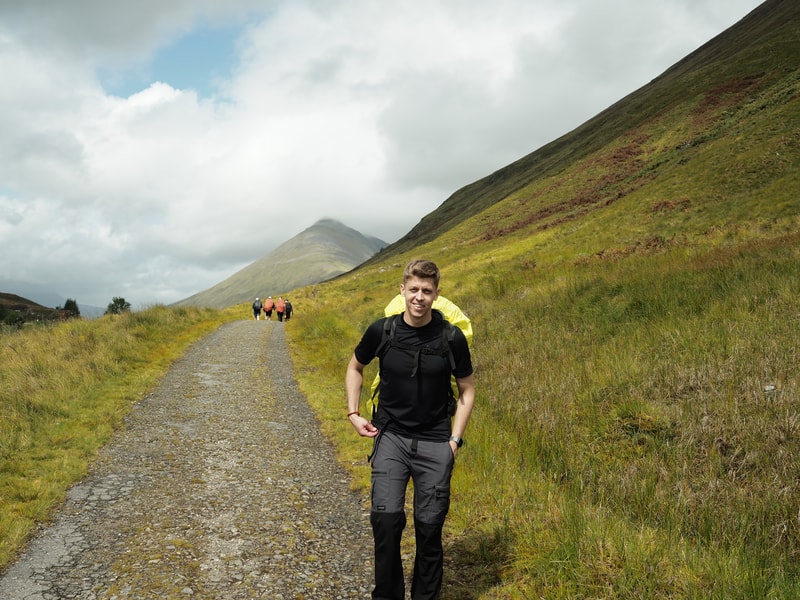
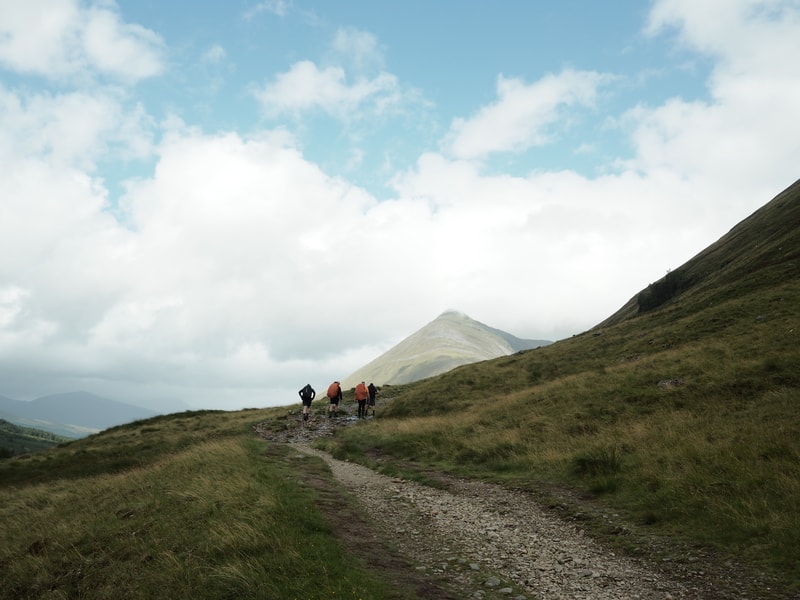
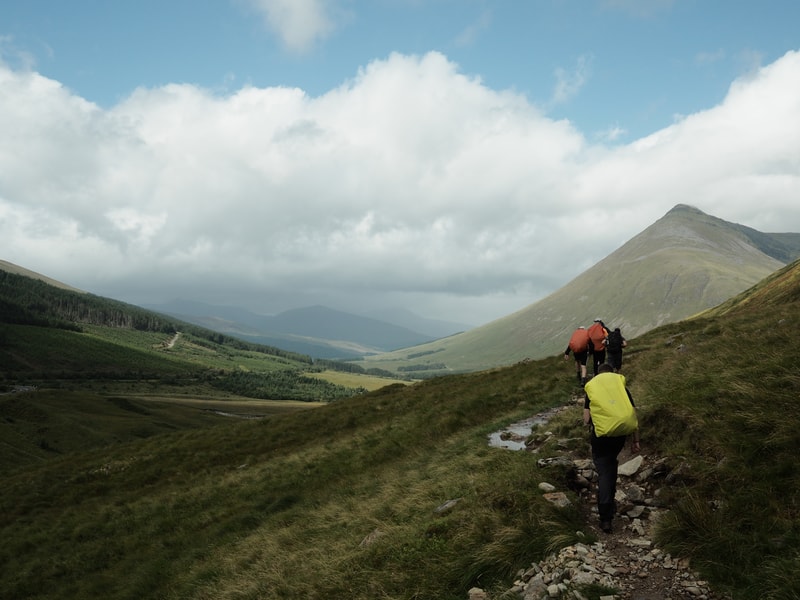
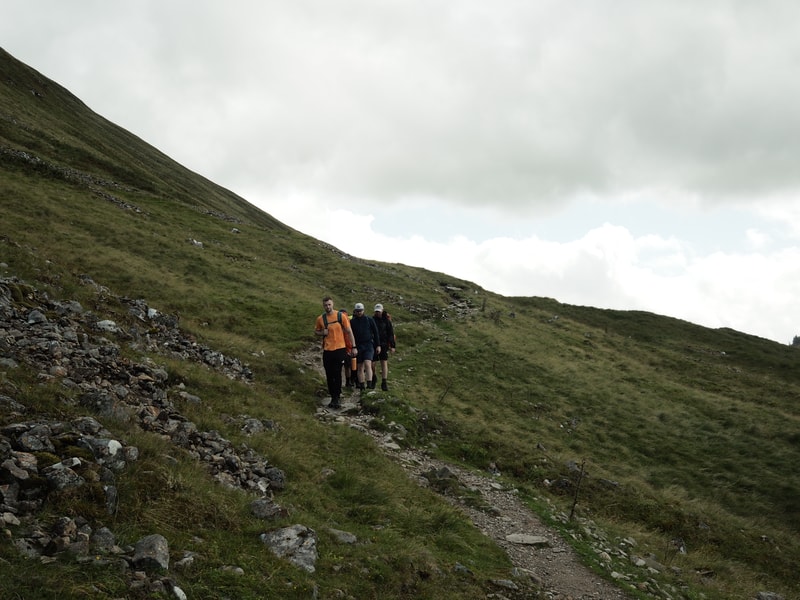
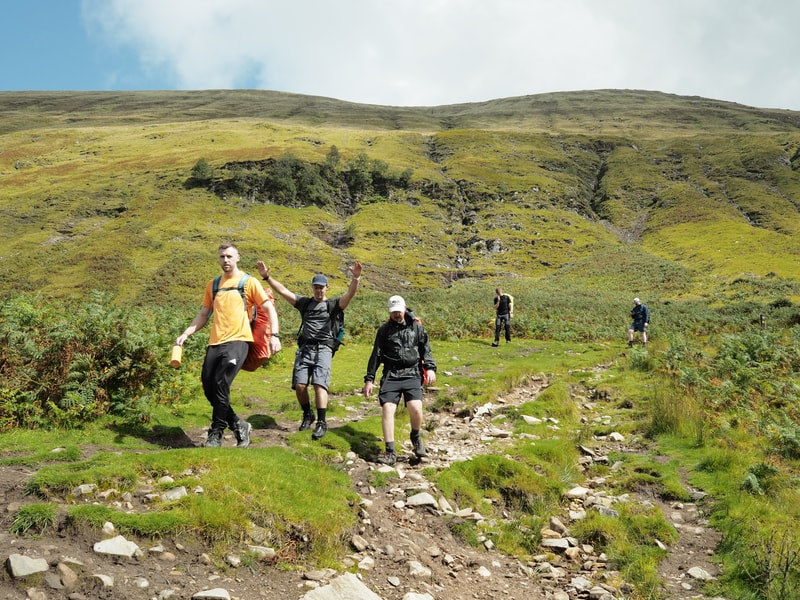
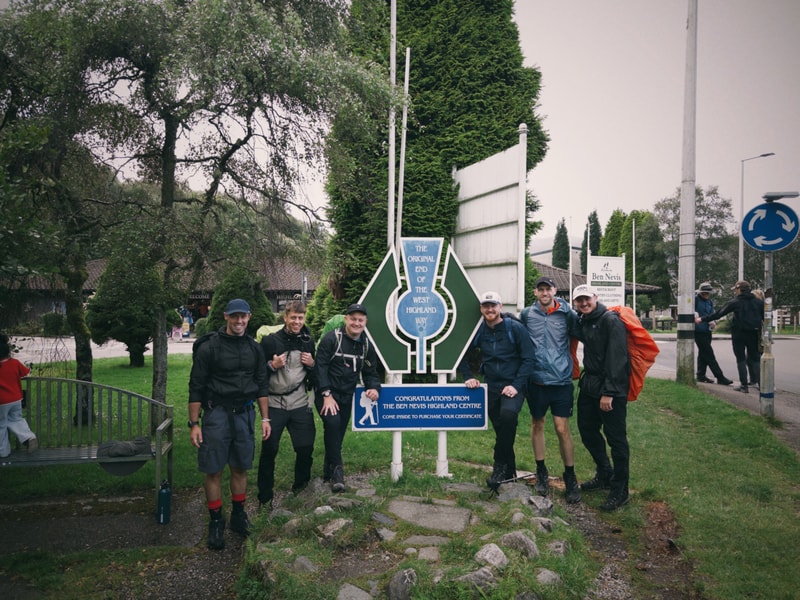
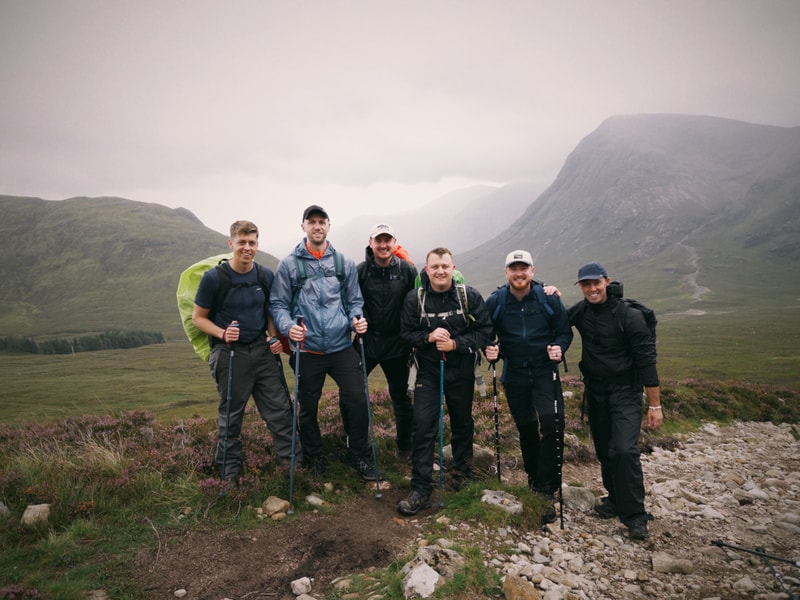
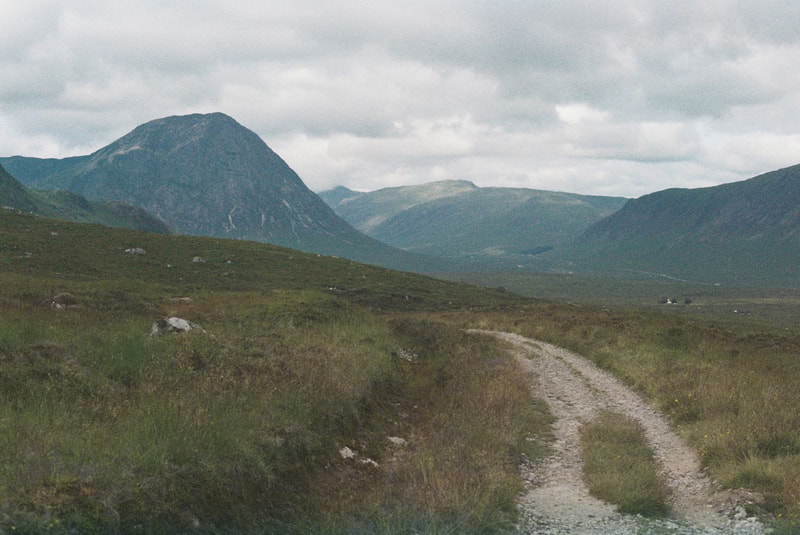
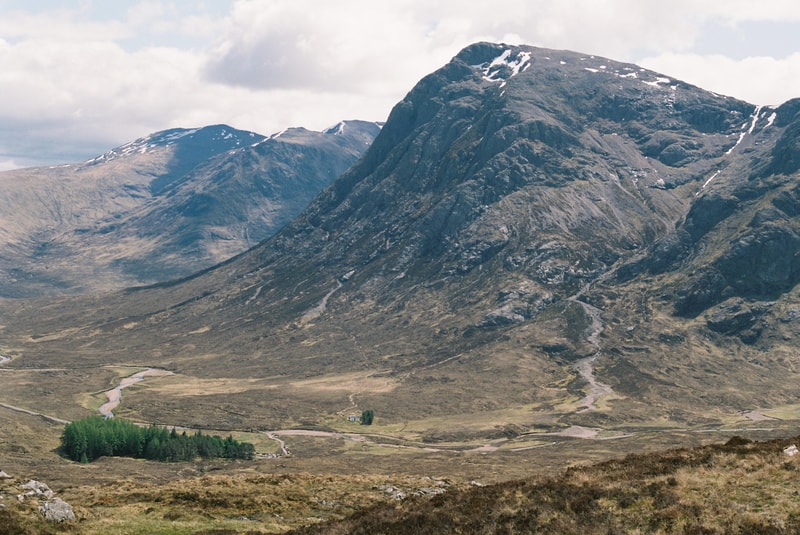
Roll on 5pm tonight where I can close my laptop and head for the highlands. A couple of nights on the second leg of the West Highland Way (Crianlarich to Fort William).

My happy place.


Uploaded image

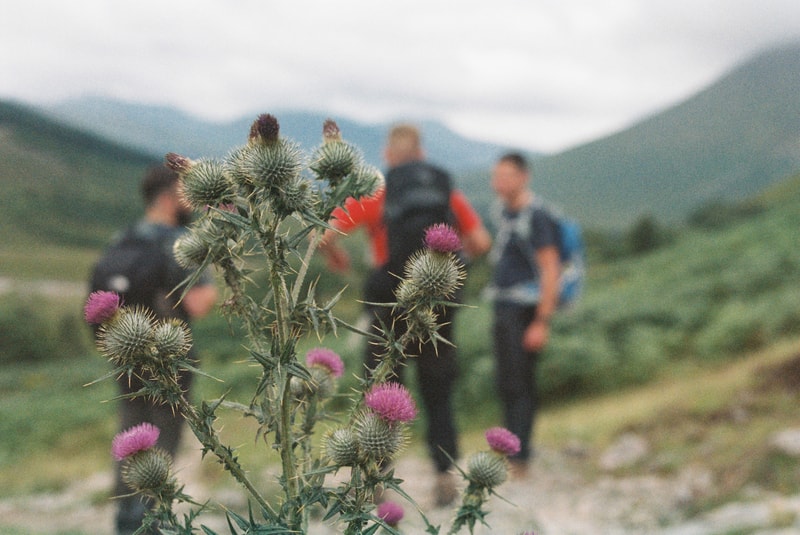
Really enjoying using Halide with Process Zero on my iPhone 16 Pro Max. No AI sharpening or artifacts, just a nice natural image akin to a film shot.

Shot on iPhone 16 Pro Max (5x) with Halide and run through RNI Images with the Portra preset for colour.

I hate bots

Uploaded image

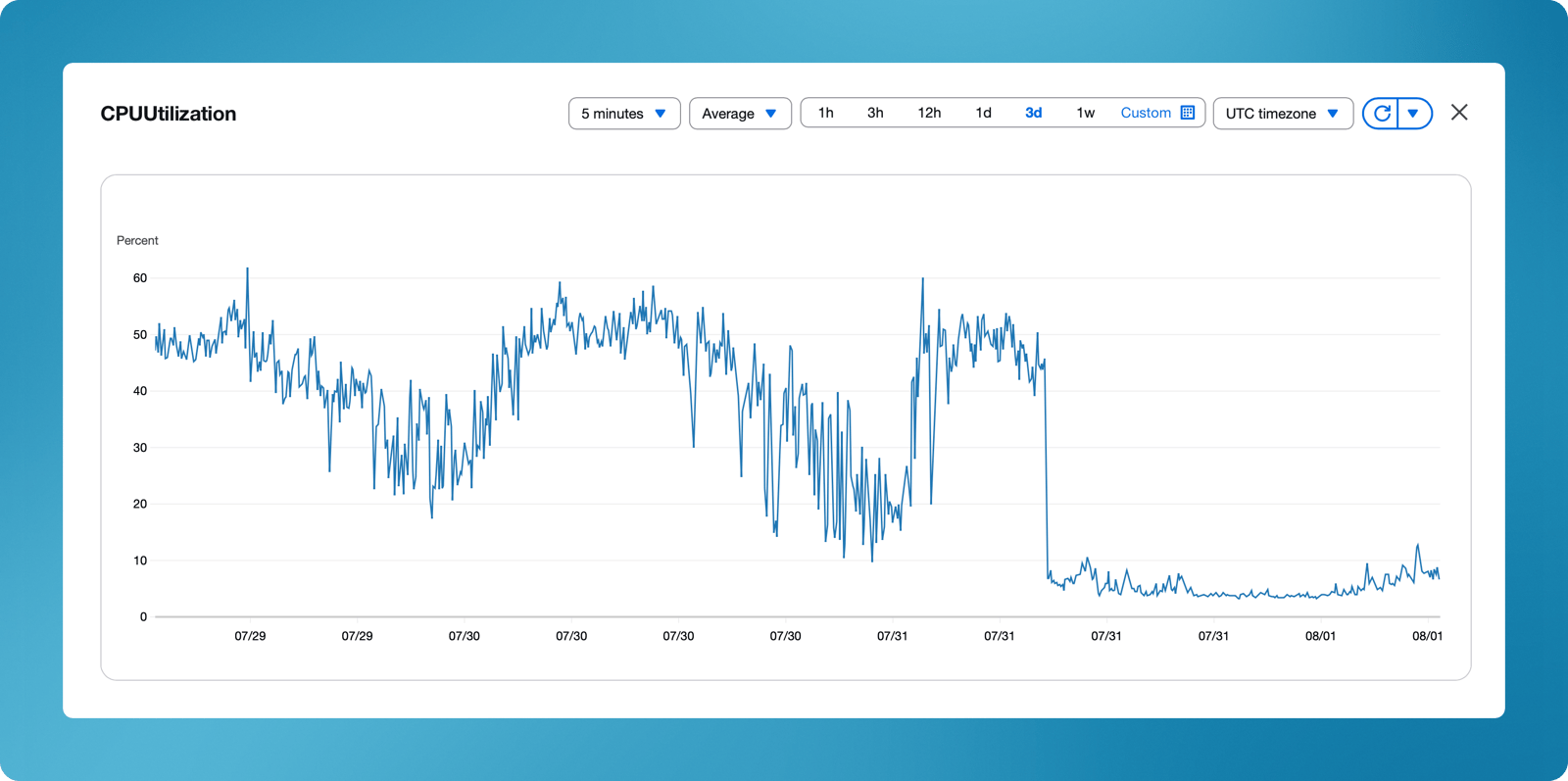
I'm fighting against bots/scrapers hammering a public search endpoint running super intensive spam(ish) search queries. Think `LIKE` statements across multiple columns on a 180,000-row table. Classic WordPress core search.

Look at that drop off after disabling the endpoint, and killing it early. 

Although we're working on moving off of WordPress soon, I still need to fix this for now.

Next steps:
  • Disable core `?s=` queries, and move search to `/search/keyword`
  • This will let me lock it down further at the WAF layer
  • Re-evaluate how we handle search under the hood (hint: core search won’t cut it)

Hello World

I'm not usually one for upgrading to premium after 10 minutes of discovering a product, but Pagecord nails what I want in a blogging tool.

Right now, I have an Eleventy blog which I've had for a wee while but updating it is a bit of a faff and I end up tweaking technical things rather than actually publishing anything.

Weirdly, all I wanted was a wee box to type it and hit a button. Just the right amount of bells and whistles.

Uploaded image

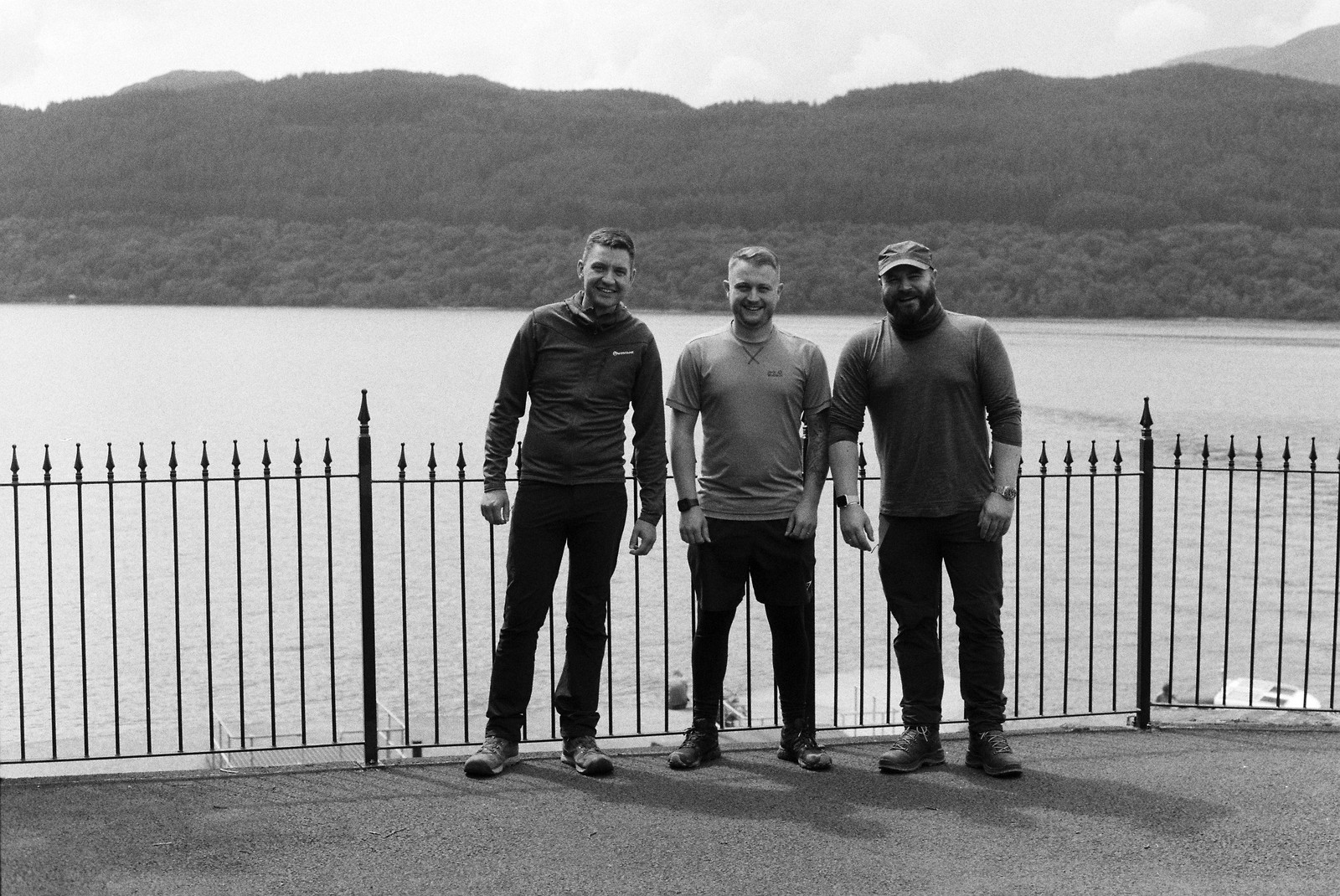
Here's a random photo. No context to my post but just so I can smile at how easy this is to publish my random updates on. 

:)